
What Is the Appeal of Collecting Goshuin? Why Is It So Popular? Exploring the Reasons Through History
In recent years, collecting goshuin (temple stamp) has become a widespread trend. But what exactly makes it so appealing?
In this article, we explore the unique charm of goshuin and explain why they have become so popular.
If you would like to learn more about the meaning and significance of goshuin themselves, please also see the following article:
What Is Goshuin Collecting?
Before exploring the appeal of collecting goshuin, let us first review the definition of goshuin and their historical background.
Basic Definition of Goshuin
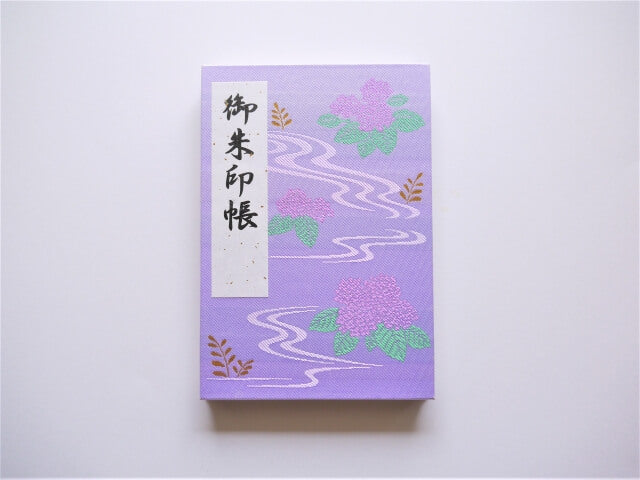
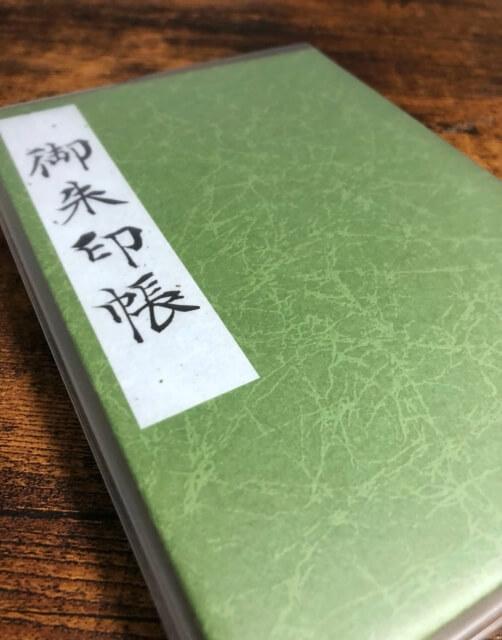
A goshuin is a commemorative seal stamp received in a goshuincho (seal book) when visiting a temple or shrine. It typically includes calligraphy indicating the temple or shrine’s name, the date of visit, and sometimes the associated blessings.
Goshuin are characterized by handwritten calligraphy and distinctive seal impressions. Each temple or shrine has its own unique design. These individual designs reflect the atmosphere and character of the place visited, and this uniqueness is one of the key attractions of collecting goshuin.
Historical Background of Goshuin Collecting
Goshuin are said to have originated as certificates issued when handwritten sutras were offered to a temple.
During the Edo period, it became customary for pilgrims to collect goshuin as records of their pilgrimages. Over time, this practice developed cultural significance.
Especially from the 18th century onward, visitors to temples and shrines would receive handwritten inscriptions and seals in their sutra books, which gradually evolved into the goshuin we know today.
After the Meiji period, goshuin became more common as travel and tourism souvenirs, and today they are firmly established as both a hobby and a cultural activity.

The Appeal of Collecting Goshuin — Why Is It So Popular?
Below, we explore seven key aspects of the appeal of collecting goshuin.
Appeal 1: The Special Feeling of a One-of-a-Kind Item
Every goshuin received at a shrine or temple is handwritten. Because each calligrapher has a different style, no two goshuin are exactly the same.
The beauty of carefully brushed characters and seal impressions makes each one a unique treasure available only at that moment and place.
Each goshuin is written with care and sincerity, representing a once-in-a-lifetime encounter. The analog, handcrafted quality creates a special feeling that attracts many collectors.
Appeal 2: Designs That Change with Seasons and Festivals
Some temples and shrines change their goshuin designs according to the season or special events.
Cherry blossoms, autumn leaves, New Year’s Day, or festival-limited designs vividly reflect the scenery of different regions of Japan.
Collecting seasonal goshuin available only during specific times of the year is one of the joys of the practice.
At Jyoraku-ji Temple in Chichibu City, Saitama Prefecture, special monthly goshuin are prepared with changing seasonal designs.
On Dragon Days, inscriptions can be written in gold ink, and you may choose phrases such as “Financial Fortune Increase” or “Good Fortune and Protection from Misfortune.”
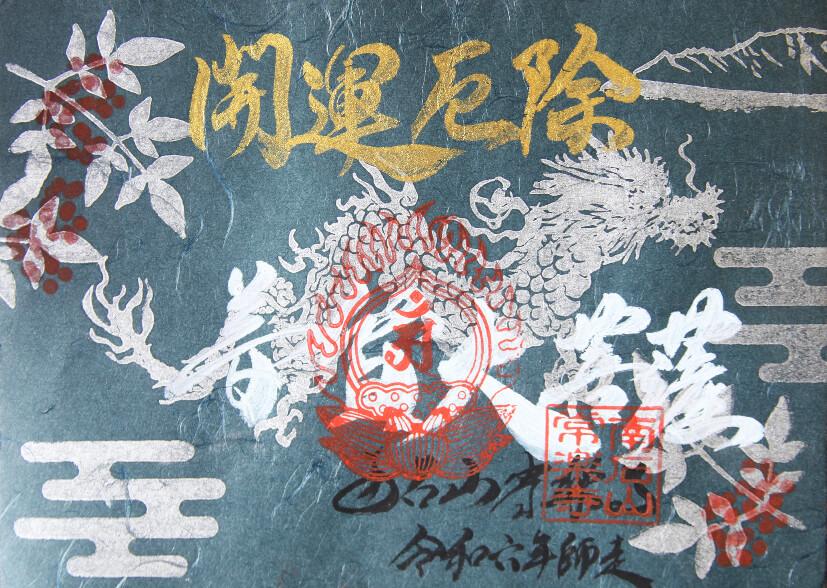
View Jyoraku-ji Temple’s goshuin
Appeal 3: A Personal Travel Record That Colors Your Memories
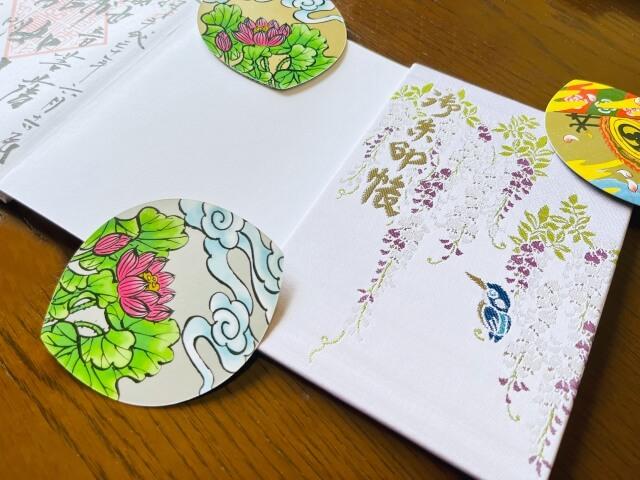
The goshuin collected in a goshuincho become a record of the places you have visited.
Each time you look through them, memories of those visits return vividly.
A goshuincho becomes like a personal album. Unlike photos stored on a smartphone, goshuin provide a tangible and meaningful way to preserve travel memories.
Appeal 4: Deepening Understanding of Regional Culture
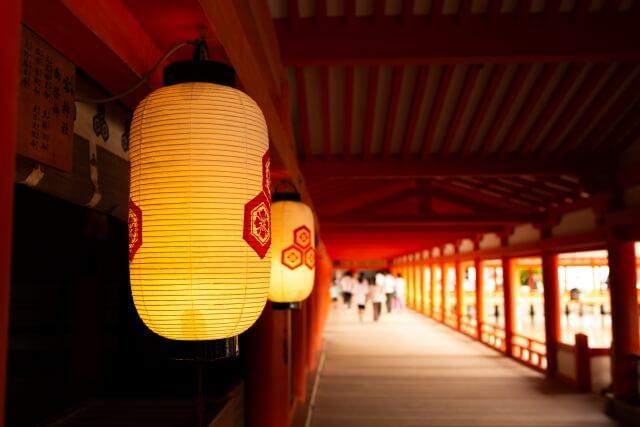
Collecting goshuin naturally deepens one’s understanding of Japanese history and culture.
Each temple and shrine has unique traditions and customs tied to its region.
By visiting these sacred places, you encounter local faith, history, and customs, discovering aspects of culture not easily experienced in daily life.
Appeal 5: The Beauty of Traditional Japanese Calligraphy and Art
Goshuin are written using beautiful brush calligraphy techniques.
Each shrine and temple features different styles and designs, allowing collectors to appreciate these artistic differences.
Design motifs range from Shinto deities and Japanese mythology to temple iconography.
Through goshuin, collectors can experience elements of Japanese calligraphy and traditional art that are otherwise rarely encountered.
Appeal 6: The Fascination of Learning History
Goshuin strongly reflect the history and culture of each temple or shrine.
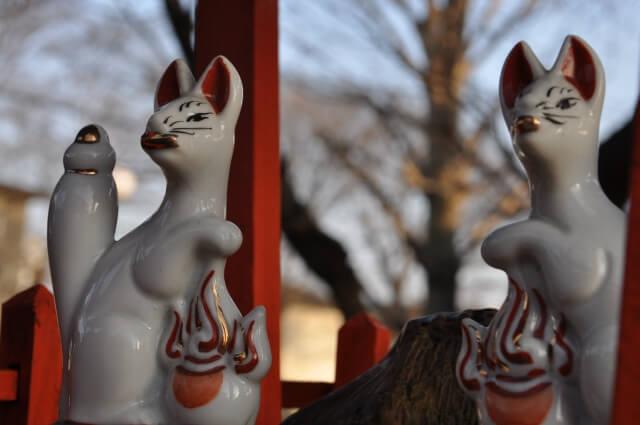
Some goshuin depict the shrine’s enshrined deity or the temple’s principal Buddha.
Learning the meaning behind each goshuin provides insight into the deities and Buddhist figures of the visited location and offers opportunities to learn about auspicious traditions.
Rather than simply visiting, collecting goshuin deepens one’s understanding of history and culture.
Appeal 7: A Quiet Time That Heals the Heart
Collecting goshuin also provides time for self-reflection.
Discovering new places and spending quiet moments in sacred spaces allows one to calm the mind and reconnect with oneself.
Stepping away from busy daily life and entering a sacred atmosphere brings awareness, peace, and healing.
This sense of inner calm is one of the most meaningful aspects of collecting goshuin.
Conclusion
In this article, we introduced the definition and history of goshuin collecting and explored its many appeals.
The attractions described here represent only part of the experience. As you continue collecting goshuin, you will likely discover even more reasons to appreciate this tradition.
Today, many temples and shrines also offer goshuin by mail, making them even more accessible.
Through collecting goshuin, you can add deeper color and meaning to your life.
View Jyoraku-ji Temple’s special goshuin here